
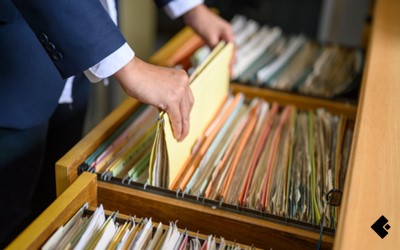
As an investigative firm assisting legal professionals, we understand how essential public records are to strong evidence collection and jury selection. When a private investigator locates a witness, verifies someone’s background, or uncovers hidden assets, accurate and current records become critical. Therefore, knowing where investigators find these records is key to understanding the investigative process.
But Where Do Licensed Private Investigator Find These Valuable Resources?
1. Local Courthouses
Local courthouses provide a wealth of information. A private investigator must know how to research court records, identify what matters to the case, and work efficiently. These records may include property filings, personal injury cases, contract disputes, divorces, and bankruptcies. Since many files still require an in-person review, investigators must know how to navigate the courthouse system in the specific jurisdiction.
2. Federal, State and Local Agencies
Government agencies hold valuable documents such as property ownership, marriage, birth, and death records. Many of these records appear online, and a private investigator can access them directly at the source. Additionally, licensed investigators often use data-aggregating platforms that make retrieval faster and more comprehensive. These tools help investigators confirm information, cross-check details, and streamline searches.
3. Online Records Research Sources– Available to the Public
Publicly available records can be time-consuming to research manually. However, private investigators use both non-proprietary and proprietary software that organizes and speeds up the search process. For example, the rise of social media created vast opportunities for gathering insights. Because searching platforms one by one is unrealistic, investigators use technology that scans many sources at once, revealing information that a manual search would miss.
4. Online Record Research Sources – Available to Licensed Investigators
Some records remain restricted and require a private investigator with a permissible purpose to access them. These databases offer information unavailable to the general public, such as certain financial records, address histories, or identity-related data. Using these tools legally and ethically is a crucial part of the job, and accuracy must always be verified across multiple sources.
Since public records vary by state, county, and city, investigators confirm all findings and ensure that the information supports the case in a legally compliant way.
Why Legal Professionals Work with Licensed Private Investigator?
Specialized Expertise and Investigation Skills
Licensed private investigators bring deep experience in evidence collection, surveillance, background research, and data interpretation. This skillset helps attorneys build stronger cases and uncover details they may not find on their own.
Objective and Unbiased Information Gathering
Private investigators maintain objectivity throughout their investigations. Unlike attorneys or law enforcement officers, they don’t have a vested interest in the outcome of a case. Their impartiality ensures that evidence is collected without bias, contributing to a fair legal process.
Efficiency and Strategic Time Savings
Legal professionals often have busy schedules. By partnering with licensed private investigators, they can delegate time-consuming tasks such as locating witnesses, verifying alibis, or conducting other relevant searches for information previously unknown. This allows attorneys to focus on legal strategy and client representation while working with the investigator to guide and direct the investigation being conducted.
Access to Restricted Information
Investigators can legally access restricted data and identify hidden assets, criminal histories, or digital footprints. This access gives legal professionals a more complete picture of the individuals involved.
Support During Jury Selection
A private investigator can research potential jurors, analyze backgrounds, review social media activity, and identify potential biases. This support helps attorneys make informed decisions during voir dire.
Conclusion
Working with a licensed private investigator gives legal professionals a powerful advantage in uncovering facts, verifying claims, and strengthening cases. With access to specialized records, advanced technology, and unbiased investigative methods, private investigators help ensure thorough, ethical, and effective case preparation.
Contact Us Today
Frasco® Integrated Research delivers ethical and efficient solutions tailored to your needs. Have questions or want to discuss your investigative needs further? Schedule a call with one of our experts today to find the answers you’re looking for.
Disclaimer: This blog post is for informational purposes only and should not be considered legal advice. Please consult your general counsel for specific legal guidance. Frasco investigators are licensed, and our operations comply with US industry, federal, state, and local laws.