

Why Every SIU Needs a Spring Strategy
As the insurance industry enters Spring 2026, every SIU faces rising seasonal claim activity, evolving fraud schemes, and growing compliance pressure. For insurance claims professionals and executives, proactive preparedness is no longer optional. It is essential to protect loss ratios, reduce fraud exposure, and maintain organizational credibility.
This guide outlines a practical SIU preparedness checklist that helps Special Investigations Units improve detection, streamline investigations, and align with regulatory expectations.
Why Spring 2026 Is a Critical Period for SIU Teams
Each spring, insurers typically see a seasonal shift in claim patterns. For example:
-
Weather related property and auto losses increase as temperatures rise.
-
Post tax season medical and disability claims grow.
-
Fraud campaigns expand through digital channels and remote claim submissions.
At the same time, fraud continues to evolve. The National Insurance Crime Bureau projects a 49% rise in identity theft related fraud by the end of 2025, driven by synthetic identities and digital exploitation. (Source: National Insurance Crime Bureau). These trends require SIU teams to anticipate fraud rather than simply react to it. Therefore, strong SIU planning in Q1 sets the tone for the rest of the year.
The Insurance Fraud Landscape
Before adjusting your SIU strategy, it is important to understand the scope of fraud exposure:
-
U.S. insurers lose an estimated $308.6 billion annually to insurance fraud. (Source: CoinLaw)
-
Approximately 20% of all insurance claims are suspected fraudulent. (Source: CoinLaw)
-
Workers’ compensation fraud costs insurers $35 to $44 billion each year. (Source: Insurance Business)
-
Property and casualty fraud contributes roughly $45 billion in annual losses. (Source: CoinLaw)
Even small improvements in early detection and referral timing can generate measurable savings, reduce premium pressure, and strengthen compliance results.
The Spring 2026 SIU Preparedness Checklist
Below is a structured checklist designed for claims leaders, SIU managers, and compliance executives.
1. Refresh Your Fraud Risk Assessment
Every SIU should begin spring with an updated fraud risk assessment.
Key Questions:
-
Have claim volumes shifted by line of business in the last quarter?
-
Are certain fraud typologies increasing, such as identity theft, staged accidents, or inflated medical claims?
Actions:
-
Benchmark current fraud indicators against prior seasonal patterns.
-
Reevaluate digital submission channels such as mobile uploads and remote estimates.
-
Adjust SIU review thresholds based on real time risk signals.
Goal: By aligning SIU triggers with current fraud patterns, teams improve detection accuracy and reduce unnecessary referrals.
2. Strengthen Early Detection Protocols
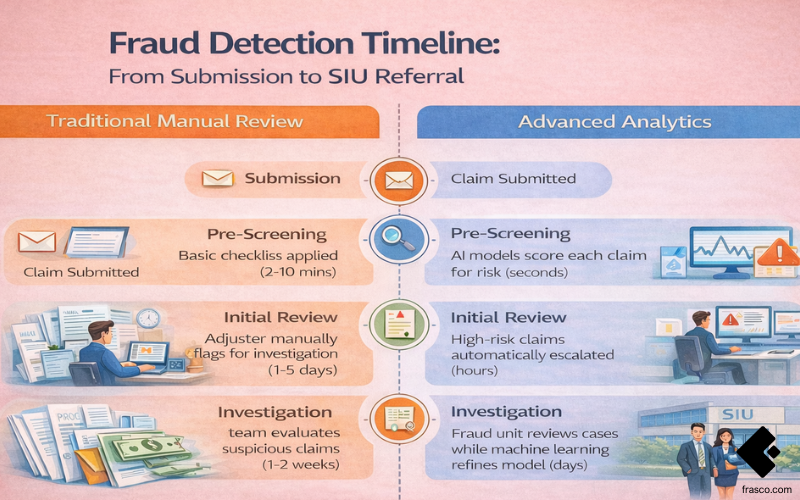
Early detection remains one of the most powerful SIU tools.
Machine learning models now surface suspicious claims faster than traditional manual review, sometimes within weeks of the first notice of loss. (Source: Carrier Management)
SIU Enhancement Tactics:
-
Deploy anomaly detection tools that evaluate claimant behavior patterns.
-
Establish high risk alert criteria such as:
-
Multiple policies tied to similar identifiers
-
Unusual incident timing
-
Repeated provider involvement
-
Identity inconsistencies
-
When SIU units act within the first 60 to 90 days, they significantly increase the probability of preventing improper payments.
3. Audit SIU Operational Readiness Before Peak Activity
Spring claim growth can strain SIU capacity. Therefore, leaders must evaluate operational readiness early.
SIU Operational Checklist:
-
Confirm staffing levels for anticipated peak volume.
-
Review investigation turnaround times.
-
Validate documentation standards for regulatory consistency.
-
Ensure evidence handling meets compliance requirements.
SIU teams that maintain consistent documentation processes deliver more defensible outcomes during audits and DOI reviews.
4. Improve Collaboration Between SIU, Claims, and Compliance
Fraud prevention does not sit with the SIU alone. Instead, it depends on cross functional alignment.
Workflows to Review:
-
Automatic SIU referral criteria within claims systems.
-
Shared dashboards for fraud scoring and risk indicators.
-
Monthly fraud trend review meetings.
When SIU units collaborate early with claims adjusters and compliance officers, they reduce delays and prevent silo driven blind spots.
5. Prepare Annual Reporting and Compliance Requirements
Spring also marks a critical compliance window.
SIU leaders should review:
-
Annual fraud prevention plan updates.
-
State Department of Insurance reporting deadlines.
-
Internal fraud training schedules.
-
Quarterly performance metrics.
Proactive reporting reduces compliance gaps and strengthens regulator confidence.
6. Evaluate Post Investigation Outcomes and ROI
Meaningful Metrics to Track:
-
Detection lead time.
-
Savings or recovery per investigated case.
-
Referral outcomes such as fraud confirmed, closed without action, or referred to prosecution.
By reviewing these metrics, insurance leaders improve resource allocation and strengthen executive reporting narratives.
Executive Perspective: Spring 2026 Priorities
Organizations that treat SIU as a strategic function rather than a reactive cost center consistently achieve better outcomes.
A disciplined SIU approach supports:
-
Loss ratio protection
-
Regulatory alignment
-
Fraud trend visibility
-
Operational transparency
As a result, these elements contribute directly to enterprise risk management and board level reporting.
Conclusion: A Practical Guide to Stronger Fraud Defense
Spring 2026 presents both risk and opportunity for Special Investigations Units. Seasonal claim volatility, rising fraud complexity, and compliance expectations demand structured planning.
By implementing this SIU preparedness checklist, insurance carriers, self insured employers, and third party administrators can:
-
Detect fraud earlier
-
Protect financial performance
-
Improve compliance posture
-
Strengthen operational resilience
For organizations operating across multiple lines of business or high risk jurisdictions, deploying a unified SIU strategy before peak claim activity will position the enterprise for stronger results throughout 2026.
Contact Us Today
Frasco® Investigative Services delivers ethical and efficient solutions tailored to your needs. Have questions or want to discuss your investigative needs further? Contact one of our experienced experts today to find the answers you’re looking for.
Disclaimer: This blog post is for informational purposes only and should not be considered legal advice. Please consult your general counsel for specific legal guidance. Frasco investigators are licensed, and our operations comply with US industry, federal, state, and local laws.