
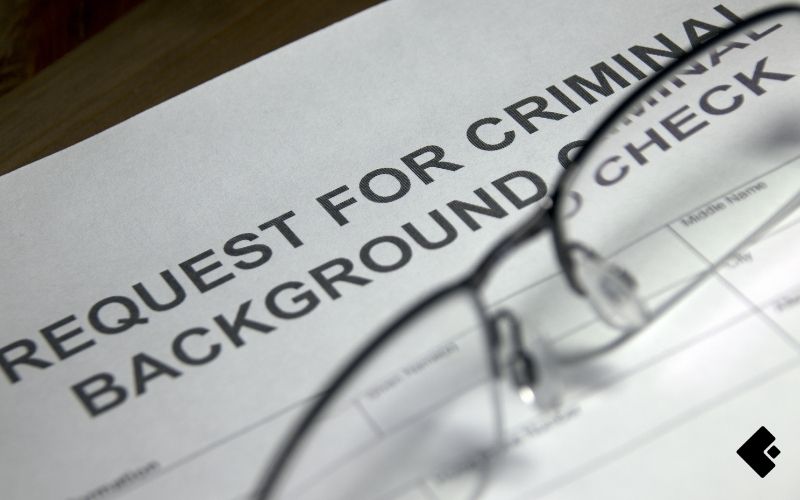
Background Checks do more than verify identity. They uncover key facts about a claimant’s history that can make or break a case. Frasco® Investigative Services focuses on Background Checks as an essential part of claims work, so claims adjusters and risk managers can make informed, defensible decisions.
Background Checks help insurers confirm what claimants report, spot risk early, and add useful context to the file. By reviewing work history, past claims, court records, and other data, investigators find gaps and red flags that many miss. As a result, teams protect the process, improve recovery, and support fair outcomes for both insurers and policyholders.
The Role of Background Checks in Claims Investigations
1. Verify Information
Accurate facts drive every investigation. Background Checks test what the file says against what the records show. In practice:
-
Claimant details such as work history and medical records match (or don’t) what the claimant reports.
-
Prior conditions or earlier claims surface and clarify today’s claim.
-
Gaps and conflicts appear, and investigators flag them for review.
2. Uncovering Fraud
Fraud remains a real concern in claims. Background Checks help you act before costs grow by:
- Identifying red flags through financial pressures, social circumstances, or patterns of past fraudulent activities.
- Using solid sources to find special licenses or side work that point to undisclosed income or conflicting statements.
- Reviewing social posts to reveal activity that does not fit the alleged limits.
3. Enhancing Investigation Outcomes
Thorough Background Checks give a clear picture of the claimant and the facts, which helps investigators:
-
Build focused profiles that guide interviews, field work, and next steps.
-
Choose the right strategy to resolve the claim faster.
-
Aim resources at files that show the most risk and impact.
A Tiered Approach to Background Investigations
Phase 1: Initial Screening
Experienced investigators review claim files using:
- Proprietary Subscription Data: Access to motor vehicle registrations, credit header information, and business ownership records provides an initial overview.
- Open-Source Intelligence (OSINT): Publicly available information, such as social media, online profiles, and public records, is analyzed for inconsistencies and potential red flags.
- Red Flag Criteria: Pressure, opportunity, and rationalization are evaluated to identify cases warranting further investigation.
Phase 2: In-Depth Analysis
If the initial findings suggests risk, investigators go deeper:
- Data Verification: They cross-check file details with local government sources and added proprietary data.
- Social media and Network Analysis: They examine online activity and links for proof that supports—or contradicts—the claim.
- Medical Sweeps and Status Verification: They compare reported limits with observed activity and available treatment data.
This tiered approach builds on cross-refenced data points to maintain thoroughness across all steps of the investigation, to reduce the likelihood of missing a telling detail, or on reporting a false positive, (like confusing the claimant with another person with the same name).
Leveraging Advanced Techniques
Open-Source Intelligence (OSINT)
Background Checks lean on OSINT to pull from many public sources:
-
Web Scraping: Tools collect key info from public sites.
-
Social Media Review: Posts, photos, and connections can show real activity.
-
Geo Tools: Maps confirm places, routes, and timelines.
Proprietary Data Sources
Access to premier investigative databases enables:
- Verification of addresses, relationships, and employment history.
- Identification of bankruptcies, foreclosures, and criminal records.
- Enhanced profiling through aggregated data from motor vehicle records and financial databases.
These techniques, combined with expert analysis, provide unparalleled insights that improve the accuracy and efficiency of claims investigations.
Conclusion: The Indispensable Role of Background Checks
Background checks are a cornerstone of effective claims investigations, offering a robust framework for validating information, detecting fraud, and optimizing recovery efforts. Their ability to uncover hidden details and provide actionable insights ensures that insurance companies can process claims with confidence, fairness, and precision. By integrating these investigative practices, insurers not only protect their bottom line but also uphold the integrity of the claims process, fostering trust and accountability within the industry.
The Frasco Background Check
For 60+ years, Frasco® Investigative Services has delivered Background Checks that raise the bar on accuracy and speed. Our team equips insurance professionals with tools and know-how to handle complex files, reduce risk, and resolve claims the right way.
Contact Us Today
Frasco® Investigative Services delivers ethical and efficient solutions tailored to your needs. Have questions or want to discuss your investigative needs further? Contact one of our experienced experts today to find the answers you’re looking for.
Disclaimer: This blog post is for informational purposes only and should not be considered legal advice. Please consult your general counsel for specific legal guidance. Frasco investigators are licensed, and our operations comply with US industry, federal, state, and local laws.